
Kerrera has a storied history starting in the 16th century when, Duncan McDougall the 16th Chief of the McDougall clan built Glyen Castle. The castle was completed in 1582.
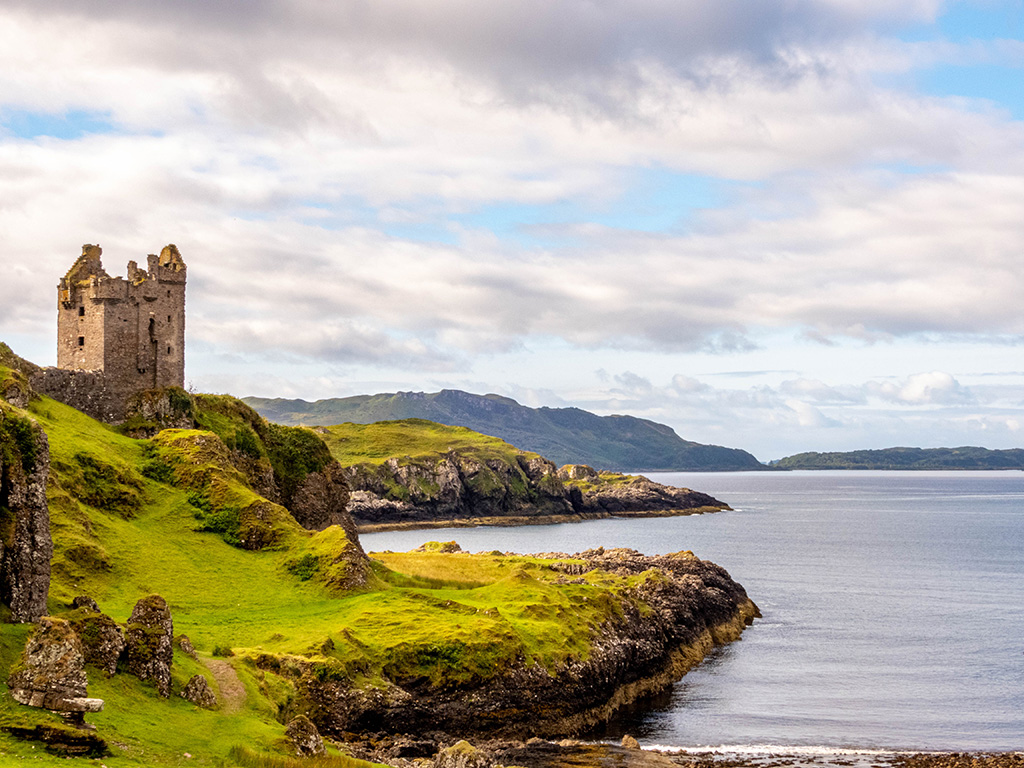
Glyen Castle
By the mid 17th century, the civil war was breaking out in England. The McDougall’s were on the wrong side of that war. It was soon discovered the castle could not be taken by assault. It’s defenses were too strong. So, a siege was started. However, the castle had a well and a spring ran into the castle for fresh water.
So, a promise was made that anyone who surrendered would not be executed. The castle surrendered. The promise was not kept.
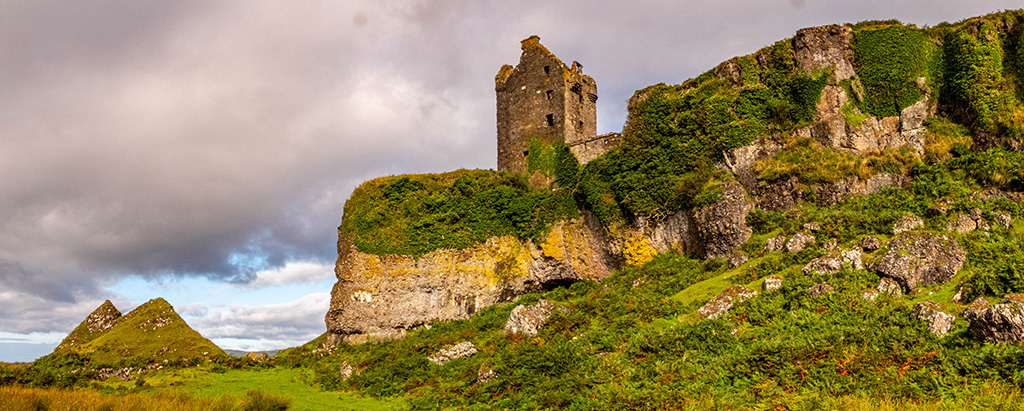
Glyen Castle
More recently in the late 19th century, David Hutcheson (1799 – 1880) started a steam line. He provided steam ferries to the islands; vastly improving communication between the western isles of Scotland. A granite obelisk monument in memorial to David Hutcheson was erected in 1883. It sits on Kerrera; a 5-minute walk from the marina.
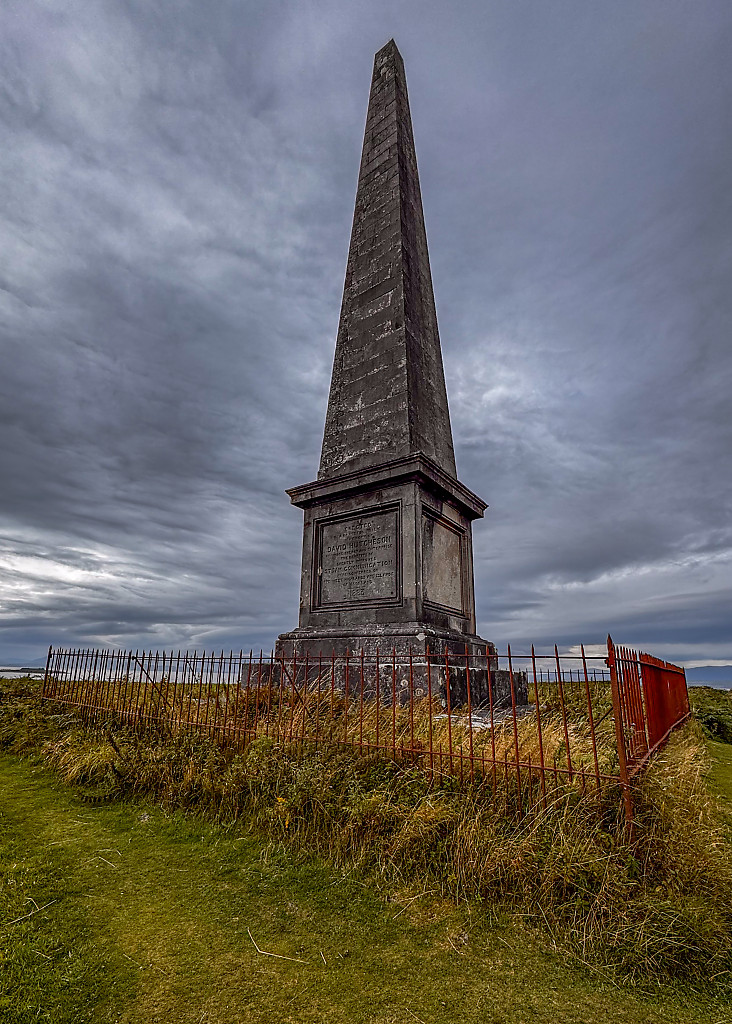
Granite Obelisk to David Hutcheson
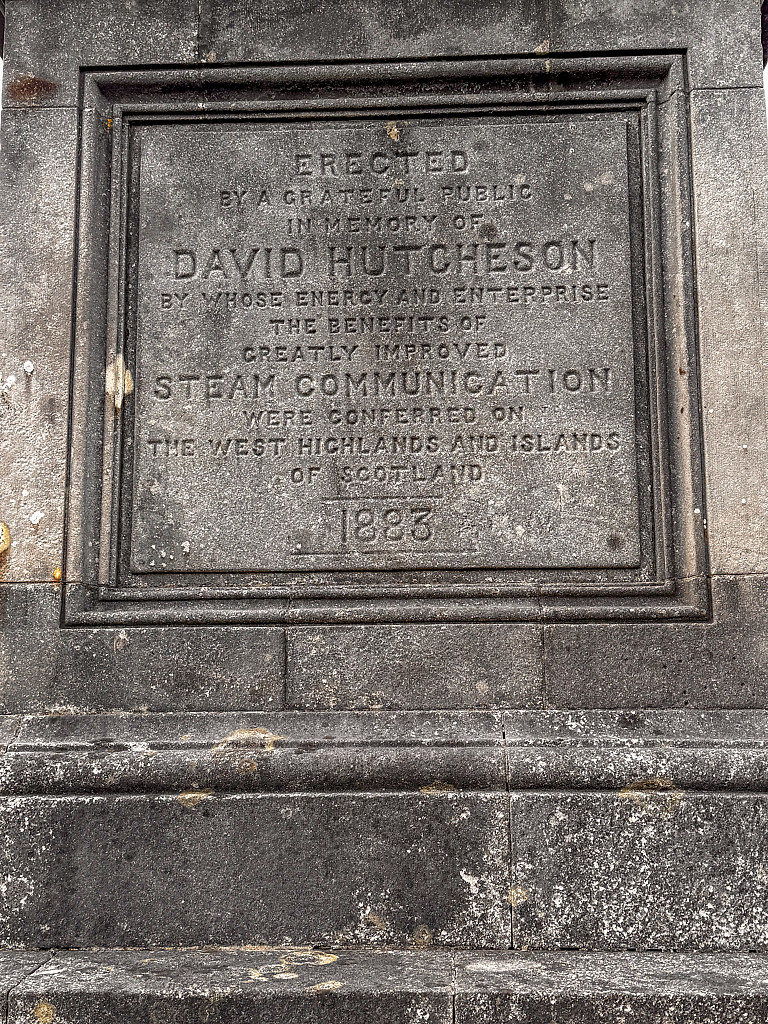
Memorial Plaque on the Obelisk
During World War II, Kerrera was the home to a Sea Plane base. These plane were instrumental in chasing and finding submarines during the battle of the Atlantic.
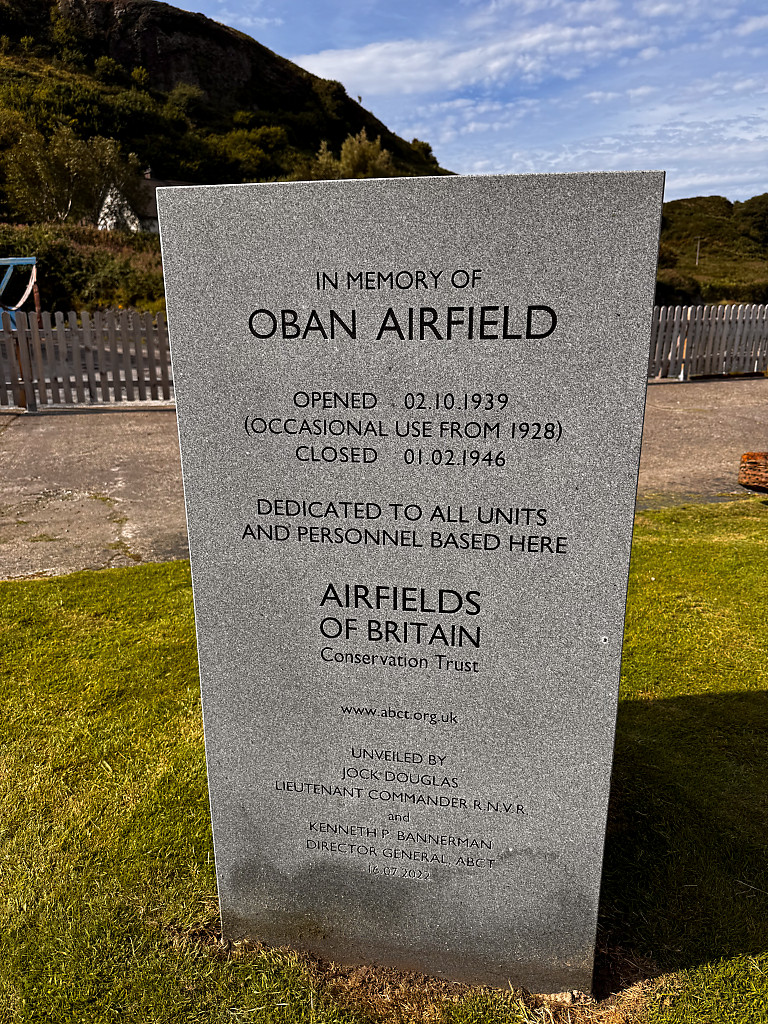
Memorial to the Sea Plane Base
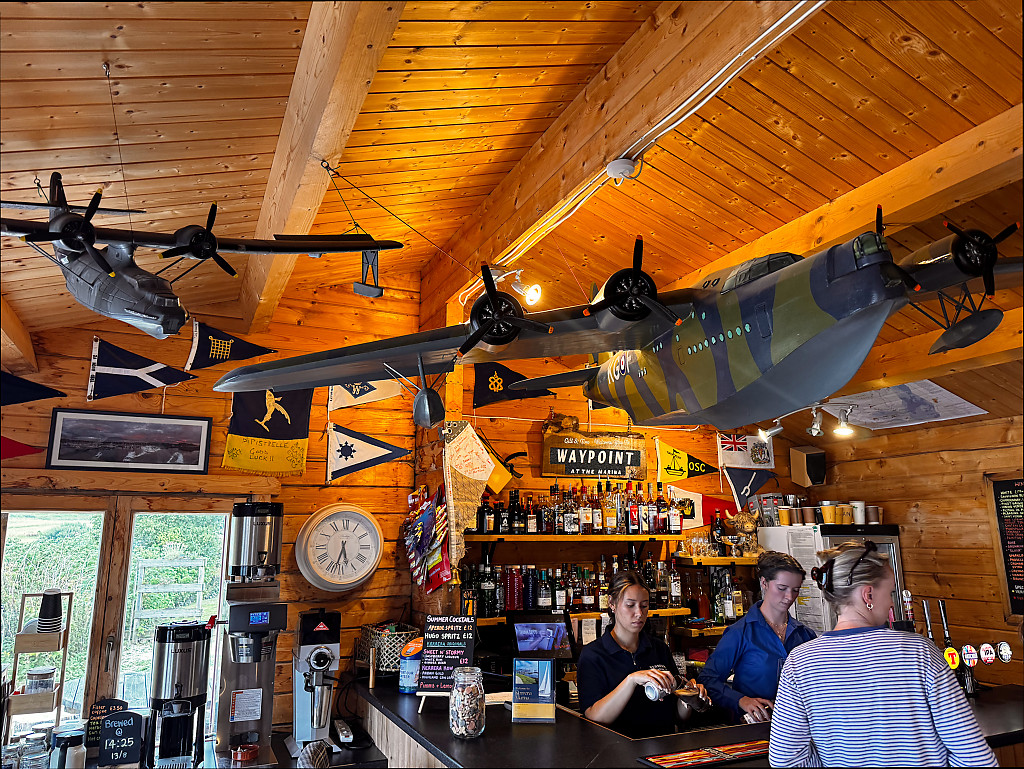
Models of the Sea Planes Flying in the Bar at the Marina Cafe
In the mid 20th century, Gallanach Bay on Kerrera was the eastern terminus of the first transatlantic telephone cable. It was laid between between 1955 and 1956 and inaugurated on September 25, 1956, initially carrying 36 telephone channels. In the first 24 hours of public service, there were 588 London–U.S. calls and 119 from London to Canada. The capacity of the cable was soon increased to 48 channels.
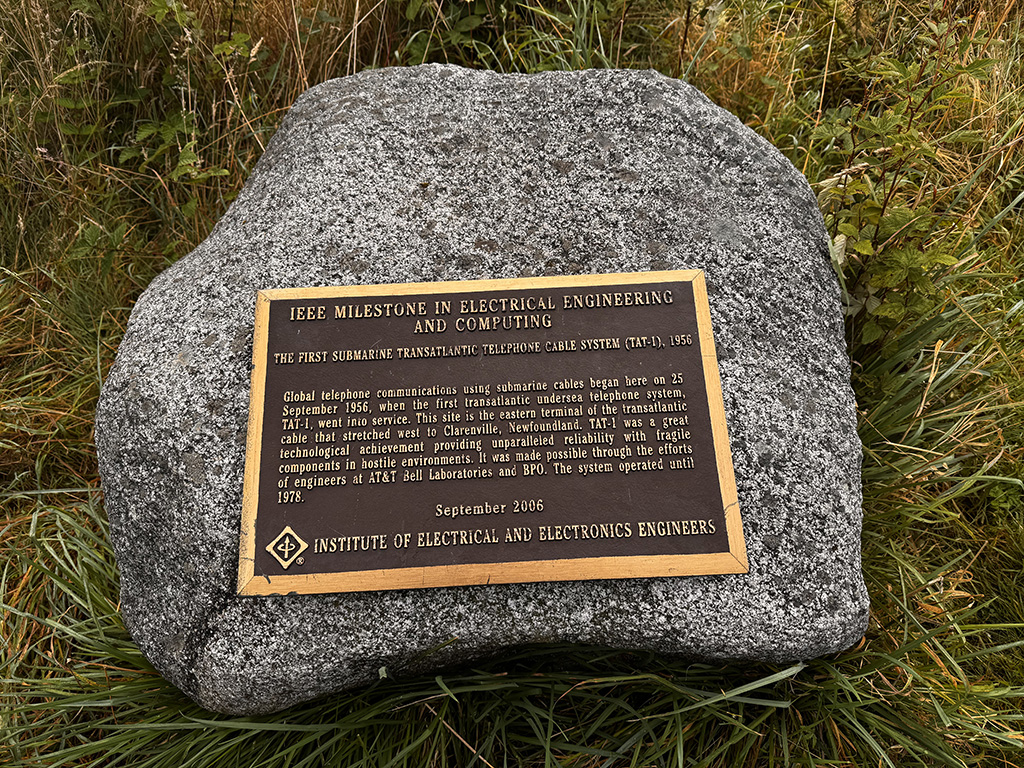
Plaque Memorializing the First Transatlantic Telephone Cable
Today, the island hosts several anchorages and the Kerrera Marina.
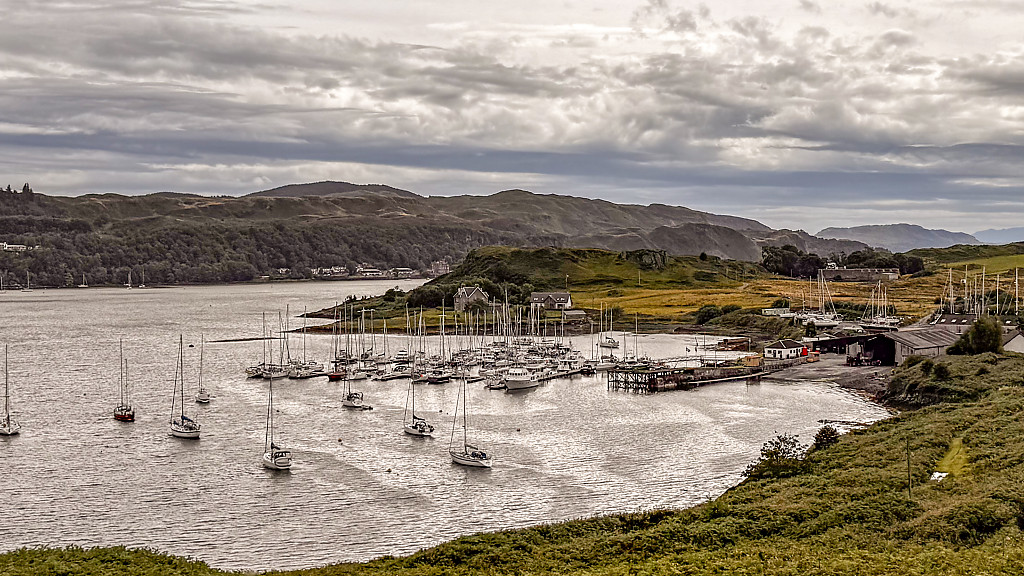
Kerrera Marina With Mainland Scotland in the Background